.png)

Explore registered nurse salaries in Australia, the factors that affect pay, working hours, career progression, and opportunities for Registered Nurses.
Registered Nursing is a respected and important career in Australia. Registered Nurses (RNs) work in hospitals, aged care facilities, community health, disability support, mental health, and many other healthcare settings. Because nurses are needed across the country, nursing can offer stable employment and good career growth.
If you are planning a career in nursing, you may be asking, how much does a registered nurse earn in Australia? The answer depends on several factors, including experience, location, workplace, qualifications, employment type, and working hours.
This guide explains the main factors that affect nursing pay without focusing on a specific salary amount.
Request Staff NowThere is no single salary that applies to every Registered Nurse in Australia. The registered nurse salary Australia employers offer can vary based on several factors.
Experience is one of the main factors that can affect nursing pay. New graduate nurses usually start at an entry-level classification. As they gain experience and take on more responsibilities, they may progress to higher classifications. Experienced nurses may also move into specialist areas such as emergency nursing, intensive care, mental health, paediatrics, or community nursing.
Where you work can also affect your earnings. Healthcare organisations in different states and territories may follow different pay structures and employment agreements.
Registered Nurses can work for public hospitals, private hospitals, aged care providers, community organisations, and nursing agencies. Each employer may have different employment conditions.
If you are searching for how much a registered nurse earns in Australia, it is important to look at more than the base rate.
A nurse's overall earnings can depend on:
On average, registered nurses in Australia can expect to earn between $75,000 to $110,000 or more per year, depending on experience, classification, location and working arrangements. Some nursing positions may also provide professional development opportunities and other employment benefits.
Employers' offers may increase as nurses gain experience and develop their professional skills. New graduate nurses spend their early years building clinical knowledge and confidence. With time, they may take on more complex patient care and additional responsibilities.
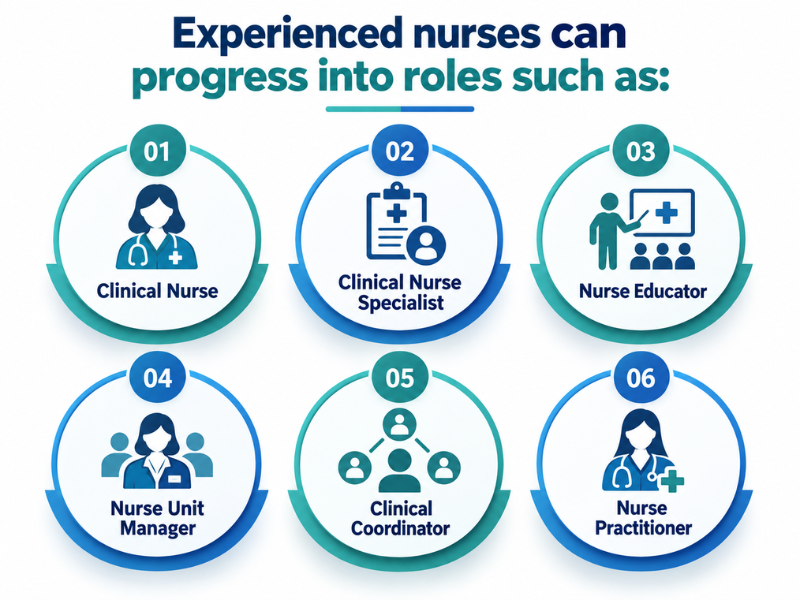
Experienced nurses can progress into roles such as:
Higher-level roles often require additional qualifications, experience, or registration requirements.
The RN salary in Australia can also be influenced by the healthcare setting where a nurse works.
Hospitals employ large numbers of Registered Nurses. Nurses may work in emergency departments, medical wards, surgical units, intensive care, maternity, or other departments.
Australia's aged care sector needs skilled healthcare professionals. Registered Nurses in this setting support older people with health conditions, medication management, care planning, and daily healthcare needs.
Community nurses provide care outside traditional hospital environments. They may visit people in their homes or work in community healthcare programs.
Registered Nurses can also work with people who have disability and complex healthcare needs. This area can provide meaningful work and opportunities to develop specialised skills.
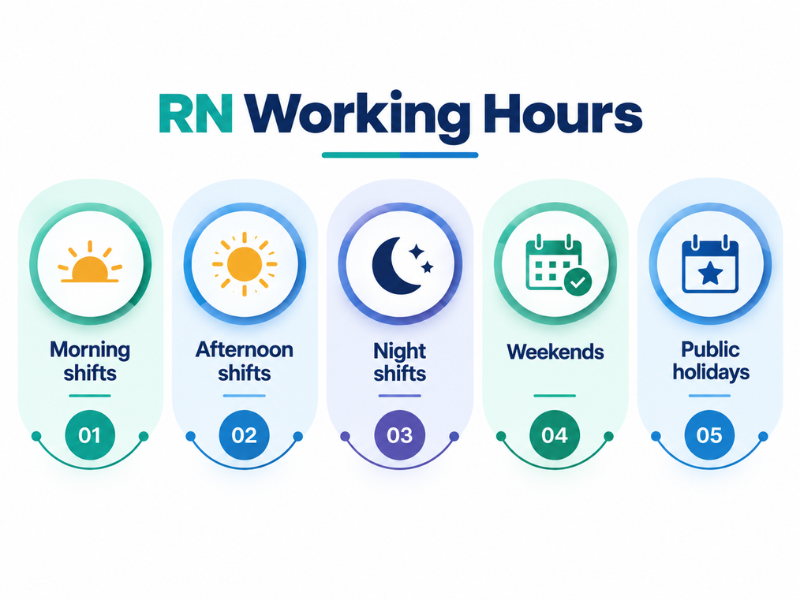
The Australian RN salary can be affected by the hours and shifts a nurse works. Healthcare operates around the clock, which means some Registered Nurses work:
Depending on the applicable award, enterprise agreement, or employment contract, eligible nurses may receive additional payments for certain shifts or overtime. This means two nurses with similar experience may have different total earnings depending on their working patterns.
Yes. Nurses can take several steps to improve their career opportunities. One option is gaining experience in specialist areas. Another is completing postgraduate education or professional development.
Nurses may also consider roles with additional responsibilities, leadership positions, or specialist clinical duties. Working across different healthcare settings can help nurses identify the type of work they enjoy while developing a wider range of skills.
For nurses looking for flexible opportunities across South Australia, Heartline Nursing can be a valuable option.
Heartline Nursing provides qualified and reliable healthcare staff across South Australia. The organisation supports hospitals, aged care providers, community healthcare, and disability services.
Its healthcare workforce includes:
For Registered Nurses, working with Heartline Nursing can provide opportunities to use their skills across different healthcare environments. The organisation focuses on providing skilled and dependable staff to meet a wide range of healthcare needs. This can help qualified nurses explore opportunities that match their experience and professional goals.
Looking for casual employment? Explore our current opportunities or contact our team to discuss your options.
Request Staff NowNursing also offers:
Nurses can build long-term careers while making a positive difference in the lives of patients and their families.
So, how much does a registered nurse earn in Australia? There is no single answer because earnings vary according to experience, location, workplace, classification, employment type, and working hours. For qualified nurses in South Australia, Heartline Nursing provides opportunities across hospitals, aged care, community care, and disability support. With a wide range of healthcare settings, nurses can continue building valuable experience while providing important care to the community.
How much does a registered nurse earn in Australia?
+How much a registered nurse earns in Australia depends on experience, location, employer, nursing classification, working hours, and the applicable award or employment agreement.
What is the average registered nurse salary in Australia?
+There is no single average that applies to every nurse. Pay varies between states, employers, experience levels, and healthcare settings.
How much does a registered nurse earn per hour in Australia?
+Hourly earnings depend on the nurse's classification, experience, employer, employment type, and applicable workplace agreement. Penalty rates may also apply to certain shifts.
What is the starting salary for a registered nurse in Australia?
+New graduate nurses generally begin at an entry-level classification. Starting pay varies according to the state, employer, and relevant employment agreement.
Do registered nurses earn more with experience?
+Experience can lead to higher classifications, specialist positions, leadership roles, and other career opportunities that may provide increased earnings.
How much does a registered nurse earn in Melbourne?
+Nursing pay in Melbourne depends on the employer, experience, classification, healthcare setting, and applicable Victorian employment arrangements.
How much does a registered nurse earn in Adelaide?
+Adelaide nursing pay depends on experience, classification, employer, employment type, and the relevant South Australian employment arrangements.
Do registered nurses receive overtime and penalty rates?
+Eligible Registered Nurses may receive overtime or penalty rates for certain hours, shifts, weekends, or public holidays, depending on their award, enterprise agreement, or employment contract.
What is the difference between RN and EN salaries in Australia?
+RNs and ENs have different qualifications, scopes of practice, responsibilities, and classification structures. As a result, their pay arrangements can differ.
Is registered nursing a well-paid career in Australia?
+Registered Nursing can provide competitive employment conditions, career progression, and opportunities to specialise. Nurses can also increase their career options through experience, further education, and professional development.