.png)

Learn how to become a Personal Care Worker in Australia, including required qualifications, skills, training, and career opportunities.
Personal Care Workers play an important role in Australia's healthcare and community care sectors. They support older people, people with disability, and individuals who need assistance with everyday activities. Their work can help people maintain independence, comfort, dignity, and quality of life.
If you enjoy helping others and want to build a career in healthcare or community services, you may be wondering how to become a personal care worker. The pathway can vary depending on the employer and type of care you want to provide, but relevant training, practical skills, and the right checks can help you prepare for the role.
This guide explains the common pathway, skills, responsibilities, and employment opportunities for people interested in becoming a Personal Care Worker in Australia.
Request Staff NowA Personal Care Worker provides practical support to people who need assistance with everyday activities. They may work with older people, people with disability, or individuals receiving care at home or in residential facilities.
The exact role depends on the workplace and the needs of the person receiving support.
Understanding these responsibilities is an important first step in learning how to become a personal care worker.
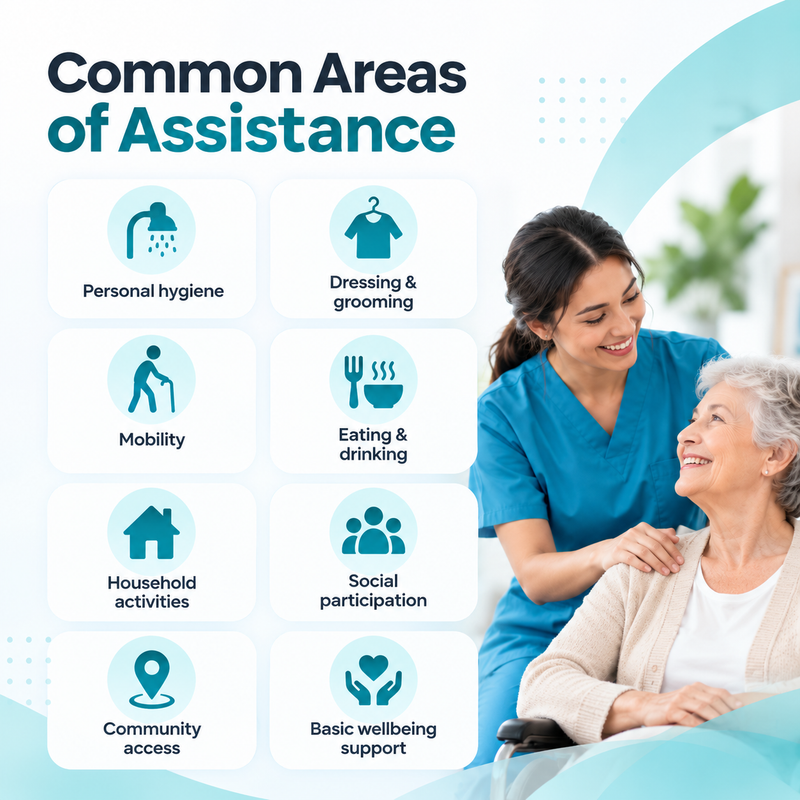
Before beginning training, learn what Personal Care Workers do and what employers expect.
Personal care worker duties can include helping people with daily routines, supporting mobility, assisting with meals, maintaining personal hygiene, and providing companionship.
Workers may also need to communicate with families, nurses, supervisors, and other care professionals. Good communication and respectful behaviour are essential because Personal Care Workers often support people in private and personal situations.
One of the most common pathways for how to become a personal care worker is completing a relevant vocational qualification.
The most recognised qualification is the CHC33021 Certificate III in Individual Support. This course prepares you for personal care and support roles in ageing, disability, and home and community care. Depending on the course and your chosen specialisation, training may focus on one or more of these areas.
Course requirements can vary, so check the current requirements of your chosen training provider and prospective employers.
Practical experience is an important part of becoming confident in a care role.
Many relevant training programs include work placement or practical learning. This allows students to develop their skills in a real care environment while learning from experienced professionals.
Practical experience can help you understand how to communicate with clients, follow care plans, use equipment safely, and respond appropriately to different situations.
If you are considering how to become a personal care worker, practical experience can also help you decide which area of care interests you most.
Personal Care Workers may need to complete different checks before starting employment. Requirements can depend on the employer, state or territory, and type of care provided.
Always check the current requirements for the specific role you are applying for.
Qualifications are important, but personal qualities also matter.
A successful personal care worker in Australia should have strong communication skills and a respectful approach to care.
People receiving care may be experiencing health challenges, disability, ageing, or reduced independence. Compassion helps workers provide respectful support.
Workers need to listen carefully and communicate clearly with clients, families, nurses, supervisors, and other professionals.
Every person has different needs and routines. Patience helps workers provide support at a comfortable pace.
Clients and care organisations need workers who arrive on time, follow care plans, and complete responsibilities properly.
Personal Care Workers should be able to notice changes in a person's wellbeing and report relevant concerns to the appropriate person.
The personal care worker duties can differ depending on the setting and individual support plan.
In aged care, a worker may assist residents with bathing, dressing, grooming, meals, mobility, and daily routines.
In home care, a worker may provide personal assistance while also helping with household tasks and community participation.
In disability support, responsibilities may include helping a person achieve their daily goals, access the community, and maintain independence.
Workers should always perform tasks according to their training, care plans, workplace procedures, and role requirements.
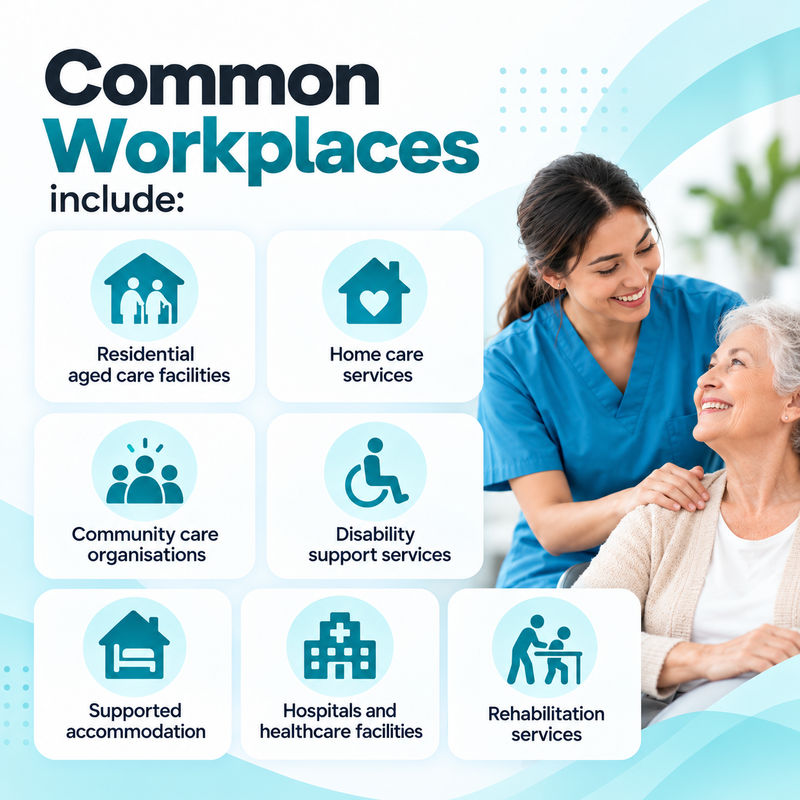
There are many environments where a personal care worker in Australia can find employment.
Some workers choose permanent positions, while others work part-time or casually depending on their availability and employer.
Once you have the required training and checks, you can start looking for personal care worker jobs.
When applying, prepare a current resume that highlights your qualifications, practical experience, relevant checks, and care-related skills.
Heartline Nursing can also be an option for qualified care professionals looking for opportunities across South Australia.
Heartline Nursing provides qualified and reliable healthcare staff across South Australia. The organisation supports hospitals, aged care, community care, and disability support services.
Its workforce includes:
For people interested in personal care worker jobs, working with an established healthcare staffing provider can provide opportunities to gain experience across different care environments.
Heartline Nursing focuses on providing skilled and dependable staff to meet a range of healthcare needs across South Australia.
Request Staff NowLearning how to become a personal care worker is only the beginning. Once you gain experience, you can continue developing your career through additional training and professional development.
You may choose to specialise in areas such as aged care, disability support, community care, or home care.
Some Personal Care Workers also decide to undertake further study and move into other healthcare roles, depending on their interests and qualifications.
Continuing to learn can help you improve your practical skills and take on new responsibilities.
If you enjoy supporting people and want a career in healthcare or community services, becoming a Personal Care Worker can be a meaningful option. The pathway usually involves relevant training, practical experience, required checks, and developing strong communication and care skills.
When considering how to become a personal care worker, start by researching suitable qualifications and checking the requirements of the type of care you want to provide. With the right preparation, you can build valuable experience and explore opportunities across aged care, disability support, home care, and community services.
For qualified care professionals in South Australia, Heartline Nursing provides opportunities across hospitals, aged care, community care, and disability support. Its range of healthcare staffing services can help connect skilled workers with suitable care environments.
What does a Personal Care Worker do in Australia?
+A Personal Care Worker supports people with everyday activities such as personal hygiene, dressing, grooming, mobility, meals, household tasks, and community participation, depending on their role and care plan.
What are the requirements to become a Personal Care Worker in Australia?
+Requirements vary by employer and role. Relevant vocational training, practical experience, police checks, First Aid and CPR training, and other screening requirements may apply.
How do you become a Personal Care Worker in Australia?
+A common pathway is to complete a relevant qualification such as Certificate III in Individual Support, complete practical training, obtain required checks, and apply for suitable care positions.
Do you need previous experience to work as a Personal Care Worker?
+Not always. Some entry-level positions may accept applicants who have completed relevant training but have limited work experience. Practical placements can provide valuable experience.
What skills are important for a Personal Care Worker?
+Important skills include communication, compassion, patience, reliability, teamwork, observation, respect, and the ability to follow care plans and workplace procedures.
Do Personal Care Workers need a police check?
+Many employers require a National Police Check. Additional screening may be required depending on the workplace and type of care provided.
Do Personal Care Workers need First Aid and CPR training?
+Many employers require current First Aid and CPR training. Requirements can vary depending on the employer, position, and care environment.
Where can Personal Care Workers work in Australia?
+Personal Care Workers can work in residential aged care, home care, community services, disability support, supported accommodation, healthcare facilities, and other care environments.
What is the difference between a Personal Care Worker and a Support Worker?
+Personal Care Workers often focus on assistance with daily personal needs, while Support Workers may have a broader role that can include personal care, community participation, daily living support, and assistance with individual goals. The roles can overlap depending on the employer.
How much does a Personal Care Worker earn in Australia?
+Pay varies according to qualifications, experience, location, employer, employment type, and applicable awards or agreements. Penalty rates or other employment conditions may also apply to eligible workers.